


Tinubu
Tinubu’s Presidency: A Transformational Era for Nigeria
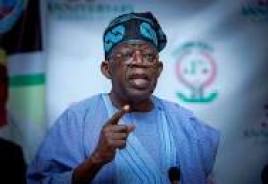
Tinubu: As Nigeria ushers in a new era of leadership, one name stands out prominently: Bola Ahmed Tinubu. With a storied political career and a track record of accomplishments. Tinubu has emerged as a frontrunner for the presidency, capturing the hopes and aspirations of Nigerians from all walks of life. Tinubu has the potential to bring about transformative change and steer Nigeria towards a prosperous future. The prospects and possibilities of Tinubu’s presidency, highlighting his strengths, challenges, and the potential impact on the nation.
Visionary Leadership
Tinubu’s leadership acumen has been demonstrated throughout his political career. As a former governor of Lagos State, he implemented progressive policies. These policies led to significant infrastructural development, urban renewal, and economic growth. His ability to envision and execute strategies for progress has earned him admiration and respect. As president, Tinubu’s visionary leadership could translate into a comprehensive national development agenda, focused on job creation, poverty alleviation, and social welfare.
Economic Transformation
Nigeria faces numerous economic challenges, including unemployment, inflation, and a heavy reliance on oil revenue. Tinubu’s presidency offers a unique opportunity to diversify the economy and promote sustainable growth. His background as a successful businessman and his pro-business policies could attract domestic and foreign investments, stimulate entrepreneurship. And also create a conducive environment for economic expansion. Tinubu’s economic agenda could prioritize sectors such as agriculture, manufacturing, and technology, fostering innovation and competitiveness.
Infrastructural Development
Decades of underinvestment have left Nigeria’s infrastructure in dire need of improvement. Tinubu has a proven track record of infrastructure development during his tenure as governor of Lagos State. He initiated and executed various projects, including road networks, bridges, and transportation systems. As president, Tinubu could extend these successes to a national scale, focusing on the construction and rehabilitation of critical infrastructure across the country. Such investments would not only improve connectivity but also stimulate economic growth and enhance the overall quality of life for Nigerians.
Security and Governance
Addressing the persistent security challenges in Nigeria would be a top priority for Tinubu’s administration. His experience in political alliances and consensus-building could foster collaboration among regional and international partners to tackle insurgency, banditry, and other forms of criminality. Furthermore, Tinubu’s presidency could emphasize transparency, accountability, and good governance, fostering institutional reforms that promote efficiency, fight corruption, and ensure the rule of law.
Unity and National Integration
Nigeria is a diverse nation with various ethnic, religious, and cultural groups. Tinubu’s presidency presents an opportunity to bridge the gaps and foster unity. His ability to build coalitions and forge alliances across ethnic lines could help to heal divisions and promote national integration. By prioritizing inclusivity and ensuring equitable representation, Tinubu could strengthen the bonds that hold Nigeria together and create an environment where all citizens feel valued and empowered.
Conclusion
Bola Ahmed Tinubu’s potential presidency holds immense promise for Nigeria. His visionary leadership, couple with his experience in governance, economics, and infrastructure development, could pave the way for transformative change. However, challenges await, including managing the complex dynamics of Nigerian politics, addressing deep-rooted socio-economic issues, and maintaining the unity of a diverse nation. With the support and collaboration of Nigerians, Tinubu has the opportunity to leave a lasting legacy and shape a brighter future for Nigeria, where prosperity, stability, and unity prevail.